If there’s one thing to know about me, it’s that I’m a huge book worm.
I’ve put together a list of some tech books that have crept onto my favorites list lately.
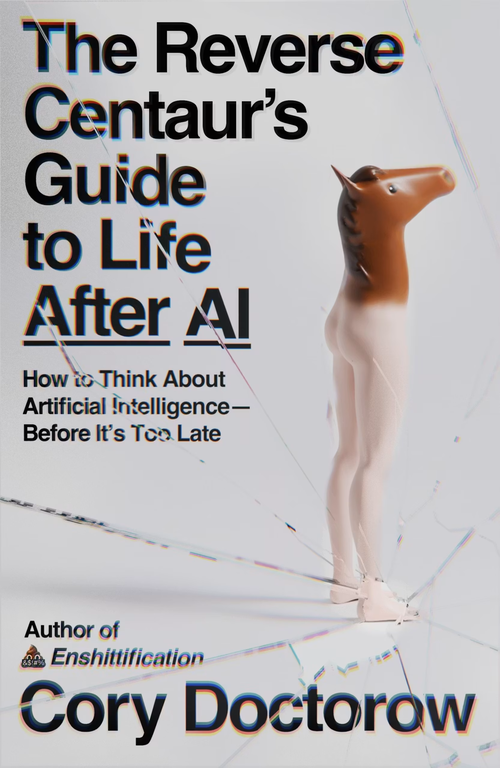
The Reverse Centaur’s Guide to Life After AI
A centaur is a person who uses technology to become a better, more productive version of themself. A reverse centaur is a person forced by technology to work at an inhuman pace: the driver told to deliver nonstop, the warehouse worker who cannot stop for food or a bathroom break, the programmer expected to crank out impossible amounts of code.
This is not a book against AI but a guide to better understanding how it works. It makes you think about who is this technology doing things for, and who is it doing them to.
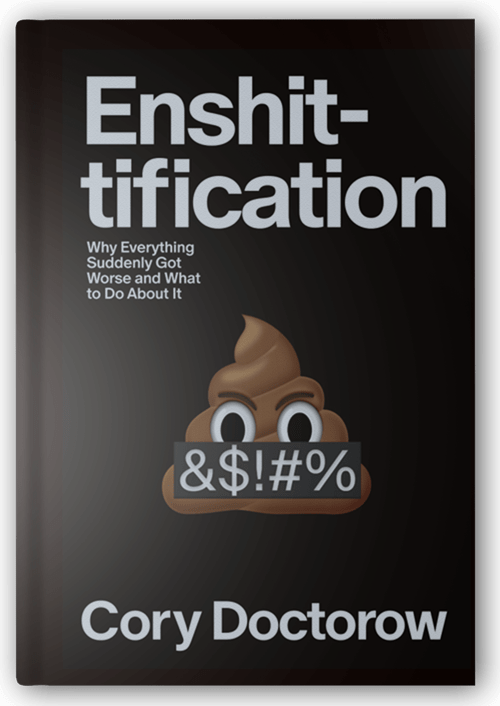
Enshittification: Why Everything Suddenly Got Worse and What to Do About It
When Cory Doctorow coined the term enshittification, he was not just finding a funner way to say “things are getting worse.” He was making a specific diagnosis about the state of the digital world and how it is affecting all of our lives (and not for the better).
Enshittification identifies the problem and proposes a solution.
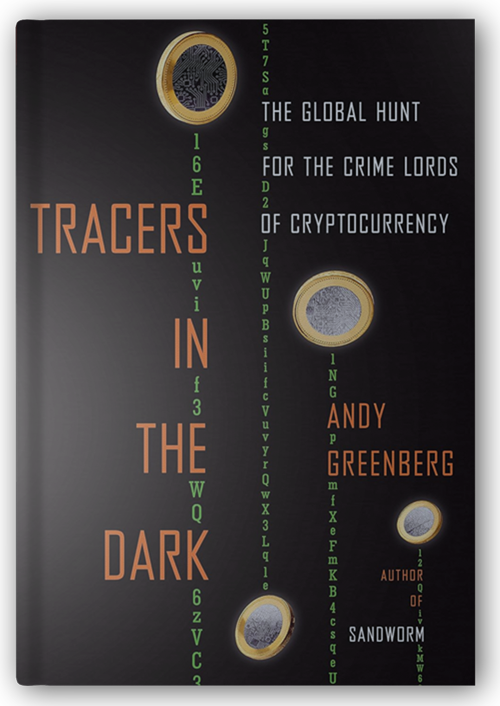
Tracers in the Dark: The Global Hunt for the Crime Lords of Cryptocurrency
Andy Greenberg follows a small band of cryptocurrency researchers and federal agents as they shatter the myth of Bitcoin anonymity, tracing blockchain breadcrumbs to take down Silk Road 2.0, AlphaBay, and some of the darkest criminal marketplaces on the internet. A gripping account of how “untraceable” money turned out to be the most traceable ever invented.
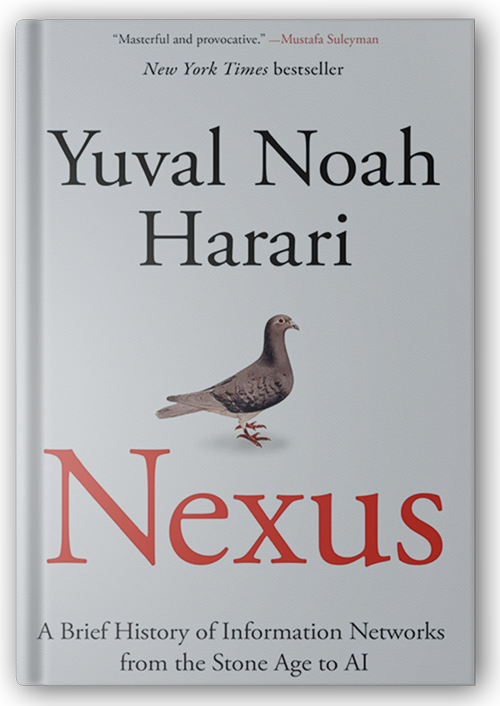
Nexus: A Brief History of Information Networks from the Stone Age to AI
For the last 100,000 years, we Sapiens have accumulated enormous power. But despite all our discoveries, inventions, and conquests, we now find ourselves in an existential crisis. For all that we have accomplished, why are we so self-destructive?
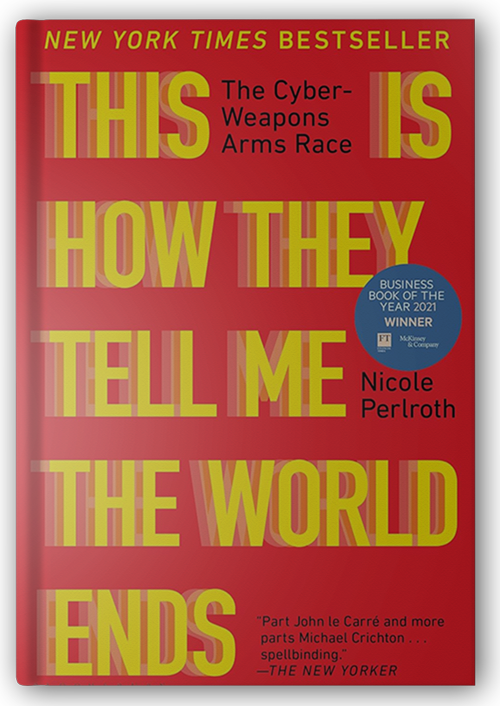
This Is How They Tell Me the World Ends: The Cyberweapons Arms Race
“Written in the hot, propulsive prose of a spy thriller” (The New York Times), the untold story of the cyberweapons market, the most secretive, government-backed market on earth, and a terrifying first look at a new kind of global warfare. Former New York Times cybersecurity reporter Nicole Perlroth spent seven years interviewing the hackers, brokers, and government officials who buy and sell zero-day exploits, tracing how a handful of keystrokes can now take down power grids, hospitals, and elections.
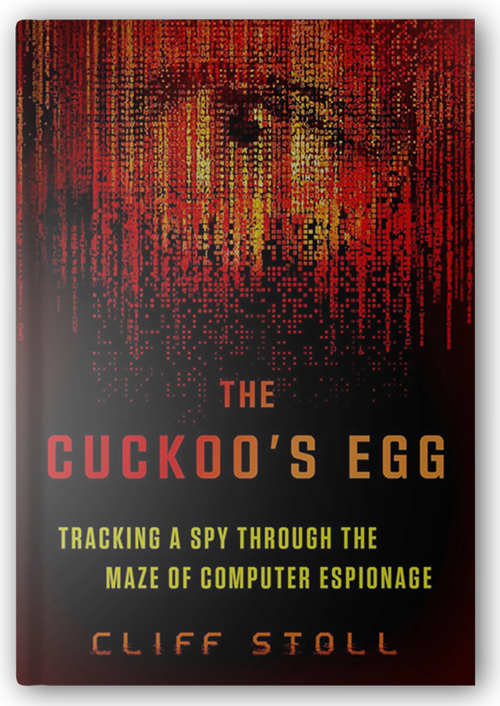
The Cuckoo’s Egg: Tracking a Spy Through the Maze of Computer Espionage
In this white-knuckled true story that is “as exciting as any action novel” (The New York Times Book Review), an astronomer-turned-cyber-detective begins a personal quest to expose a hidden network of spies that threatens national security and leads all the way to the KGB. Cliff Stoll’s methodical hunt, armed with little more than a line printer, a pot of coffee, and a stubborn refusal to quit, helped define the field of digital forensics more than thirty years before most people had heard the phrase “computer network.”
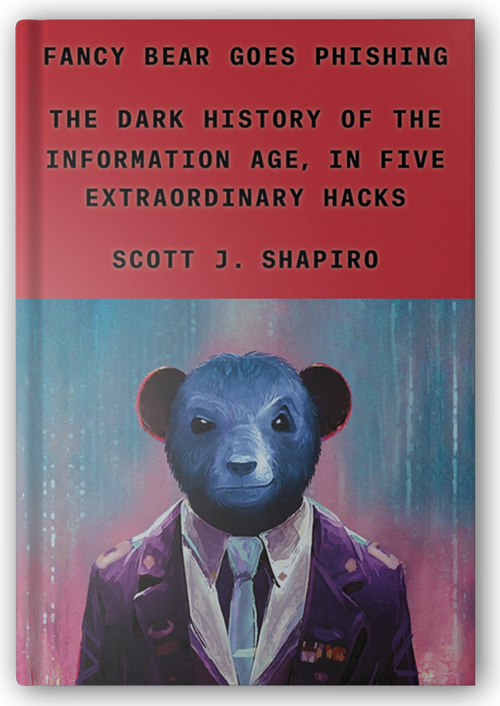
Fancy Bear Goes Phishing
It’s a signal paradox of our times that we live in an information society but do not know how it works. And without understanding how our information is stored, used, and protected, we are vulnerable to having it exploited.
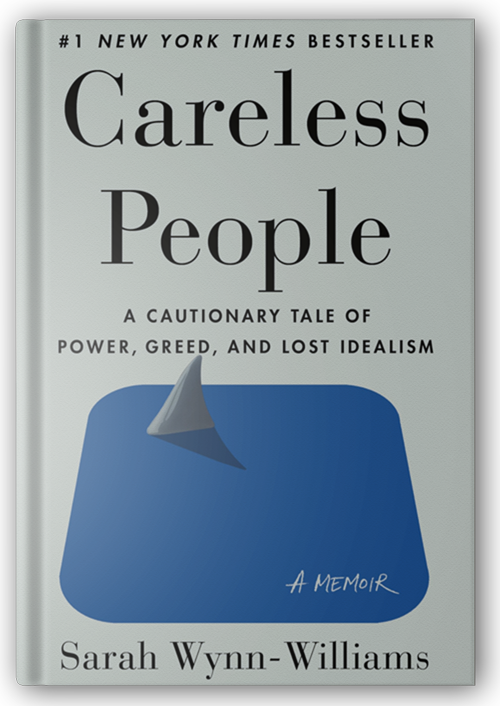
Careless People
Shocking and darkly funny, Careless People gives you a front-row seat to the decisions that are shaping our world and the people who make them.
Welcome to Facebook.
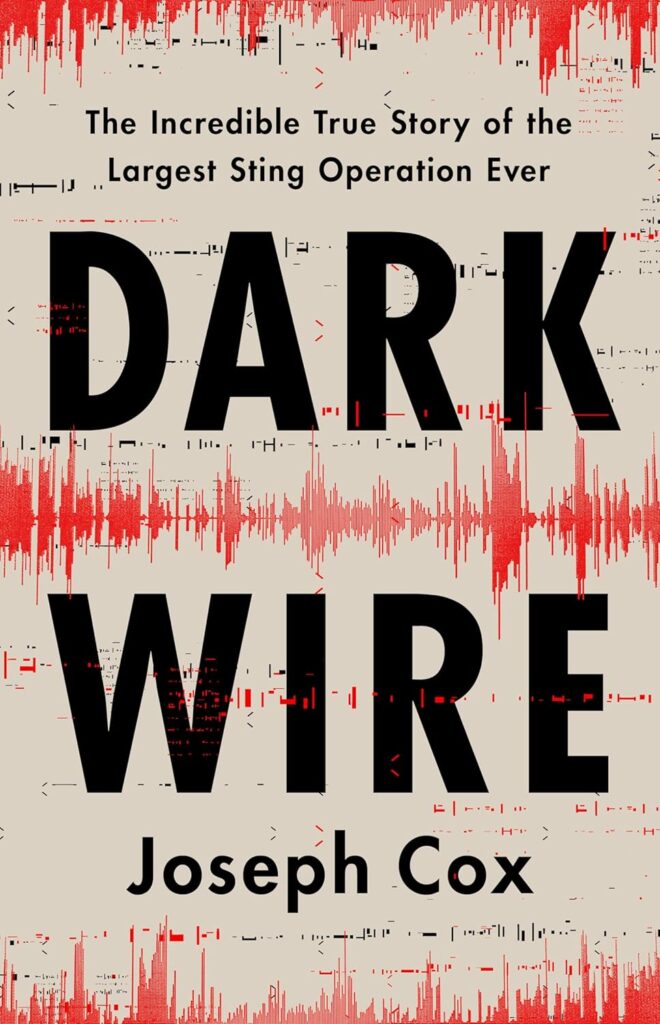
Dark Wire: The Incredible True Story of the Largest Sting Operation Ever
The inside story of the largest law-enforcement sting operation ever, in which the FBI made its own tech start-up to wiretap the world, showing how cunning both the authorities and drug traffickers have become, with privacy implications for everyone. Joseph Cox tells how the FBI, working with Australian federal police, secretly ran ANOM, an “encrypted” phone company marketed to criminals, to read every message in real time, leading to a coordinated worldwide wave of arrests.
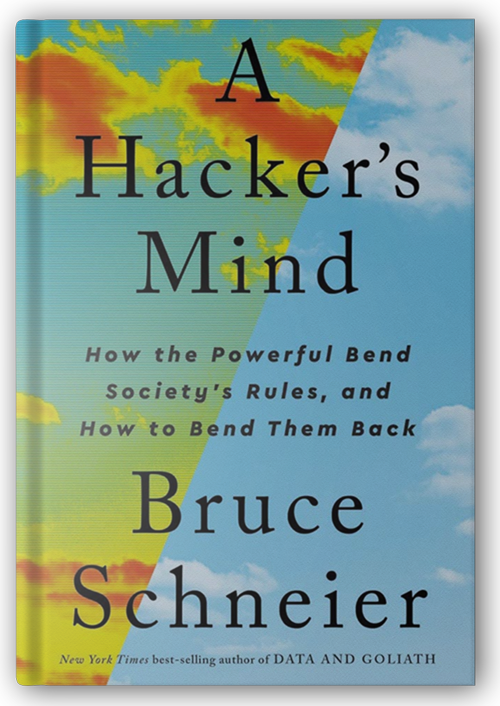
A Hacker’s Mind: How the Powerful Bend Society’s Rules, and How to Bend them Back
In A Hacker’s Mind, Bruce Schneier takes hacking out of the world of computing and uses it to analyze the systems that underpin our society: from tax laws to financial markets to politics. He reveals an array of powerful actors whose hacks bend our economic, political, and legal systems to their advantage, at the expense of everyone else.
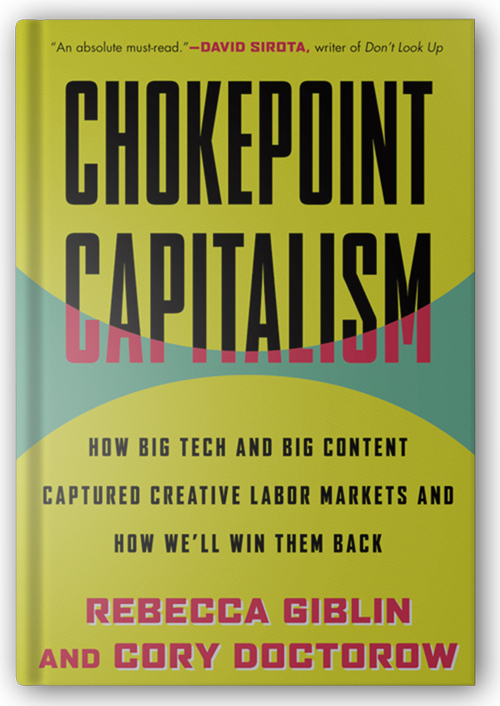
Chokepoint Capitalism
In Chokepoint Capitalism, scholar Rebecca Giblin and writer and activist Cory Doctorow argue we’re in a new era of “chokepoint capitalism,” with exploitative businesses creating insurmountable barriers to competition that enable them to capture value that should rightfully go to others. Giblin and Doctorow catalog the playbook publishers, streamers, and platforms use to squeeze both the creators who make their products and the audiences who consume them, and offer a sharp set of proposals for breaking those chokeholds back open.
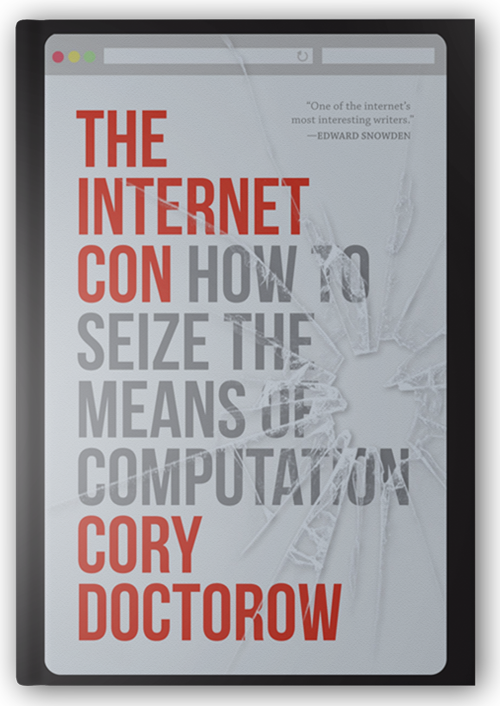
The Internet Con: How to Seize the Means of Computation
A Big Tech disassembly manual, presenting a theory of internet enshittification and a way to throw it into reverse, creating a new, good internet that is a worthy successor to the old, good internet. Doctorow makes the case for interoperability as the pressure-release valve for Big Tech, arguing that forcing giants to let their users leave with their data, followers, and tools intact is the fastest path to a competitive, user-serving internet.
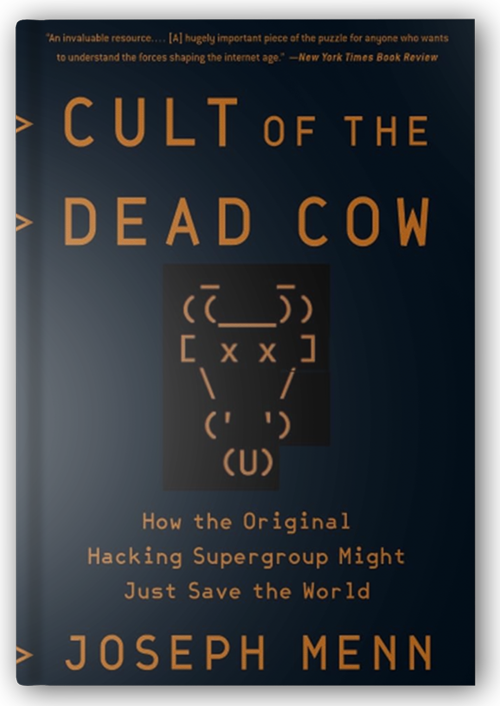
Cult of the Dead Cow: How the Original Hacking Supergroup Might Just Save the World
Joseph Menn tells the story of cDc, the Texas teenage hackers who coined the term “hacktivism,” released Back Orifice to shame Microsoft into caring about security, and grew up to shape everything from Beto O’Rourke’s political career to modern privacy advocacy. A reminder that the web we have today was shaped as much by pranksters with modems as by anyone in a suit.
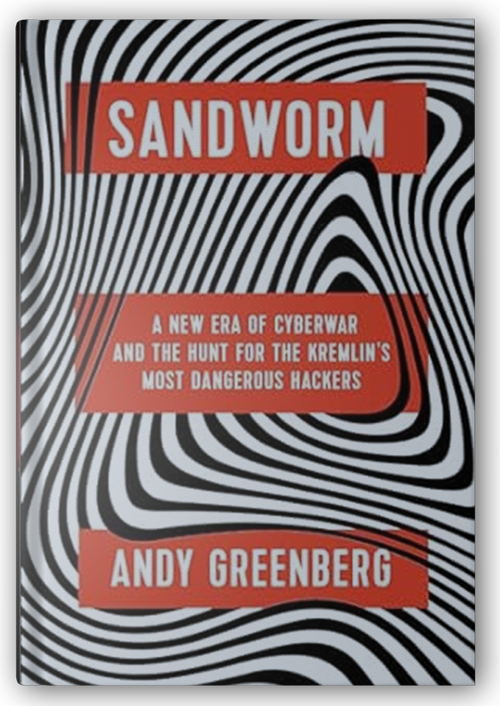
Sandworm: A New Era of Cyberwar and the Hunt for the Kremlin’s Most Dangerous Hackers
Andy Greenberg chronicles the GRU unit behind NotPetya, the Ukrainian power-grid blackouts, and the 2018 Olympics opening-ceremony attack, a quiet, unstoppable team whose campaigns rewrote the rules of digital warfare. Equal parts whodunit and warning, it’s the clearest public account of what state-sponsored malware can actually do.
Crash Override: How Gamergate (Nearly) Destroyed My Life, and How We Can Win the Fight Against Online Hate
Zoë Quinn, the developer at the center of Gamergate, writes an unflinching account of surviving a coordinated online harassment campaign and founding the Crash Override Network to help others do the same. Part memoir and part field guide to fighting back when the internet turns on you.
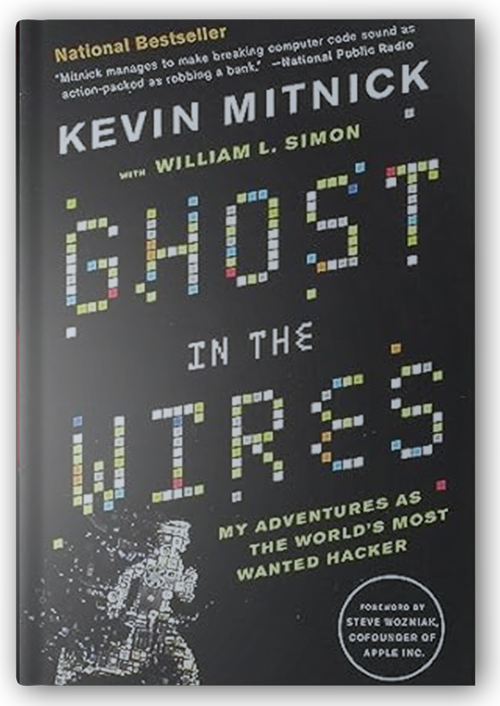
Ghost in the Wires: My Adventures as the World’s Most Wanted Hacker
Kevin Mitnick recounts the years he spent on the run from the FBI, breaking into Motorola, Nokia, Sun, and dozens of other companies, mostly through social engineering rather than code. A fast-paced first-person history of hacking’s early phone-phreak era from the man who became its public face.
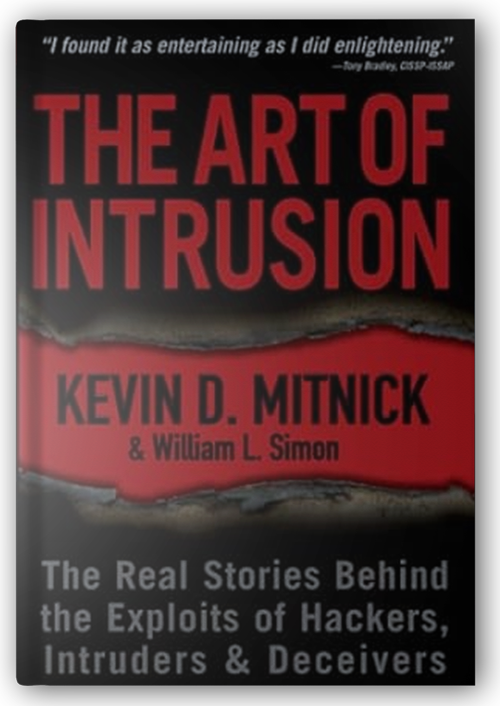
The Art of Intrusion: The Real Stories Behind the Exploits of Hackers, Intruders and Deceivers
Mitnick collects firsthand accounts from anonymous hackers (casino cheats, prison-cell network builders, corporate intruders) and walks through exactly how each job was pulled off. Every chapter closes with the defensive lessons drawn straight from the attack.
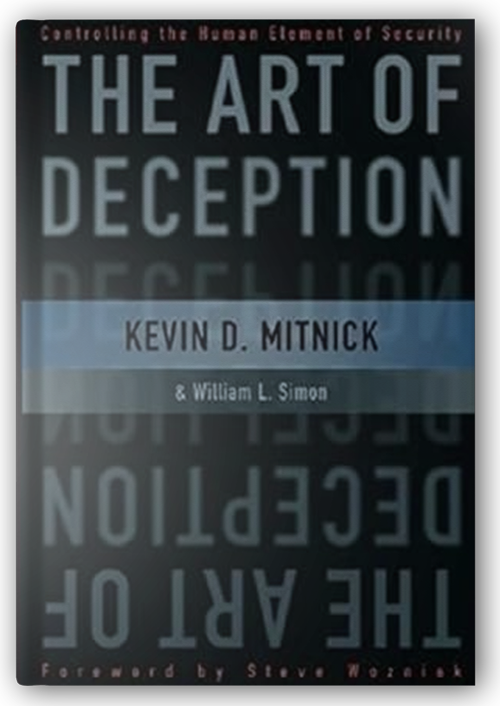
The Art of Deception: Controlling the Human Element of Security
Kevin Mitnick turns his insider knowledge into a social-engineering primer, walking through the scripts, pretexts, and psychological levers attackers use to talk their way past every firewall you own. Required reading for anyone who thinks their security posture stops at the technology.
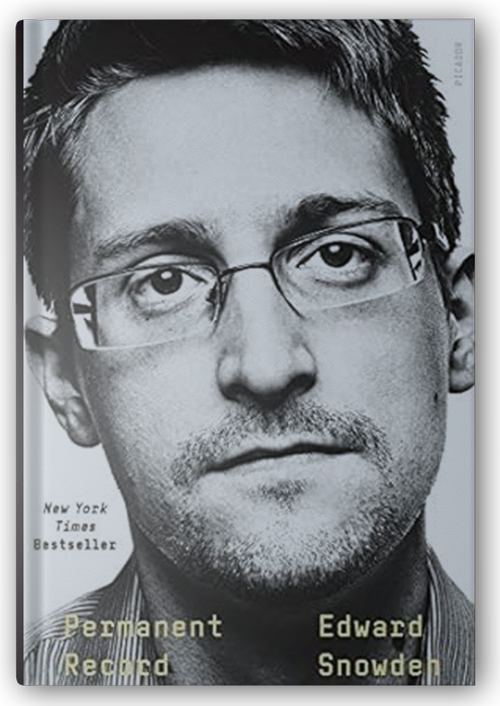
Permanent Record
Edward Snowden, the man who risked everything to expose the US government’s system of mass surveillance, reveals for the first time the story of his life, including how he helped to build that system and what motivated him to try to bring it down. Snowden traces his path from teenage hacker and NSA contractor to the Hong Kong hotel room where he handed a trove of classified documents to journalists, and to what life in exile has looked like since.
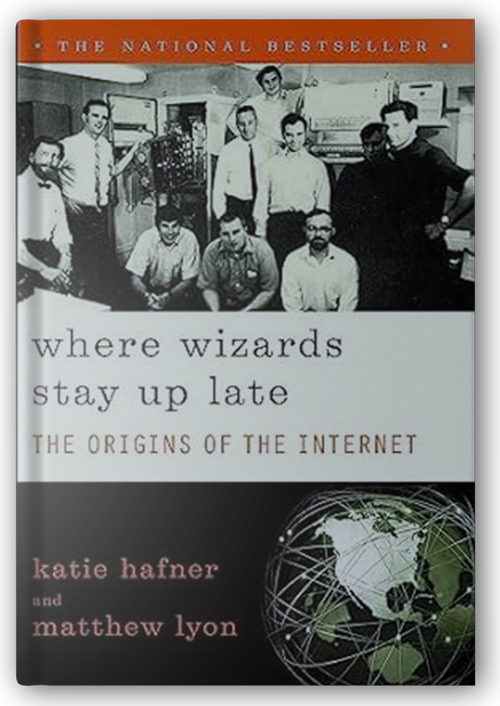
Where Wizards Stay Up Late: The Origins of the Internet
The behind-the-scenes story of the small group of ARPA-funded researchers who built the ARPANET, the unlikely precursor to the Internet. Drawing on interviews with the pioneers who wrote the first RFCs, shipped the first IMPs, and debugged the first packet-switched links, Hafner and Lyon chronicle the late nights, personality clashes, and engineering breakthroughs that quietly rewired the world.
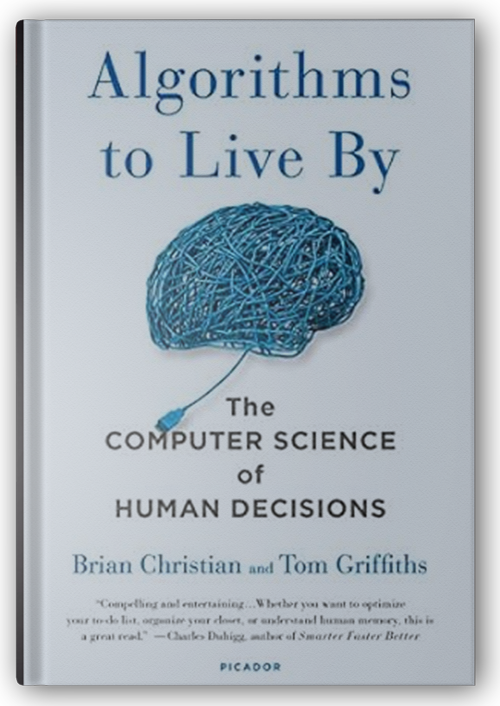
Algorithms to Live By: The Computer Science of Human Decisions
A fascinating exploration of how computer algorithms can be applied to our everyday lives, helping to solve common decision-making problems and illuminate the workings of the human mind. Christian and Griffiths show how concepts like optimal stopping, caching, and Bayesian inference give surprisingly sharp advice for everyday choices: when to stop apartment-hunting, how to organize your closet, which job offer to take.
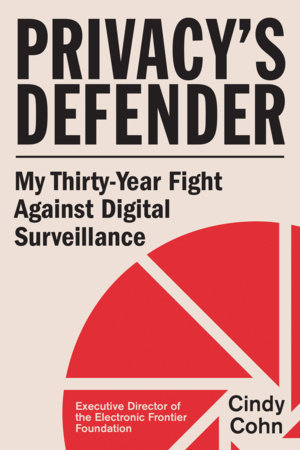
Privacy’s Defender: My Thirty-Year Fight Against Digital Surveillance
EFF Executive Director Cindy Cohn chronicles her thirty-year battle to protect our right to digital privacy, weaving her personal story with the history of the Crypto Wars, FBI gag orders, and the post-9/11 surveillance state. Part memoir and part legal history, the book is a compelling testament to how hard-won our privacy rights are, and how crucial they are to democracy and human rights.
Got a suggestion? Reach out via the socials or email books at LawrenceSystems.com